
Why Home Staging Matters for a Successful Sale
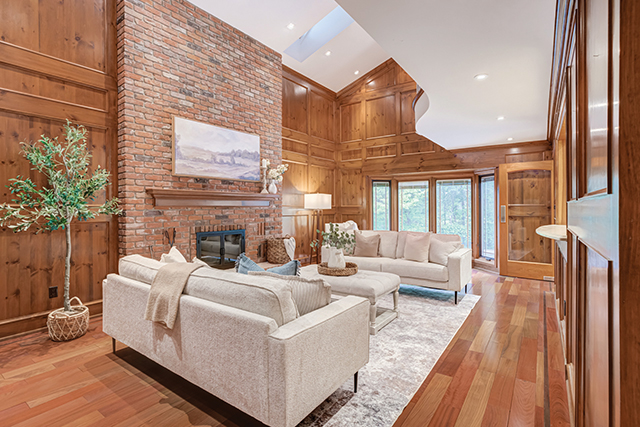
The moment a buyer steps through the door, their first impression of the home can shape their entire experience. A beautiful, spacious entry can welcome buyers, while well-decorated rooms draw them in. Staging is a staple in real estate marketing, but sellers often ask whether it’s really necessary. We spoke with real estate professionals to get their take on the importance of staging in the current market.
What Is Home Staging and Why Does It Matter?
Home staging is the process of preparing a property to appeal to its most likely buyers. It can include decluttering, depersonalizing, rearranging or removing furniture, improving lighting, making minor repairs, and bringing in rented furnishings or accessories.
“Staging is particularly important in today’s market,” says Kevin Girard of Royal LePage State Realty. “Buyers are being much more selective, homes are generally taking longer to sell, and when buyers have more choice, presentation becomes even more important.”
Role of Staging in the Luxury Market
Staging is not a prerequisite for selling a luxury home, but polished presentation is often expected. As Kevin explains, “we’re selling a lifestyle. Every aspect of the property should reinforce that lifestyle and give buyers a sense of how beautifully and comfortably they could live there.” Empty rooms can make proportions difficult to read, while the wrong furnishings may undermine the property’s positioning.
“Staging is an expectation in the luxury market because high-end buyers look for a curated lifestyle,” says Colette Cooper from Royal LePage State Realty. “Empty or poorly furnished luxury spaces often feel cold and make it tougher to justify a premium price.” Larger staging efforts usually apply to vacant properties that need a lived-in feel to appeal to buyers.
How to Decide Whether a Home Needs Staging
A realtor will compare the home with competing listings, identify the likely buyer, and determine whether rooms look cluttered, outdated, overly personal, or the layout is confusing. A clean, well-furnished home in a desirable location may only need decluttering and styling, whereas a vacant property, unusual floor plan, or listing facing strong competition is a better candidate for full staging.
As Kevin explains, the question isn’t simply, “Does this home need staging?” It’s, “What do we need to do to present and position this home at its absolute best?”
Who Pays for Staging?
Payment varies depending on the need and the agreement with the agent. As Colette explains, “Some agents include initial consultations or partial staging as part of their standard listing marketing package. For full-home staging of vacant properties, the seller typically pays the fees directly, as it directly protects their home’s equity.”
Whatever your arrangement, document the scope, fee, rental period, cancellation terms, damage responsibility, and reimbursement rules.
How Is ROI Measured?
Most realtors look at the Days on Market (DOM) and final sale price to determine the ROI. “Staged homes sell significantly faster, reducing carrying costs: mortgage, taxes, and utilities,” says Colette. “Staged homes routinely sell for higher prices than un-staged and generate a higher return on the initial investment.”
For example, a modest price improvement or one avoided month of carrying costs may cover the staging expense.
In a competitive market, staging is worth the investment to draw buyers in and stand out from the competition. It can be a relatively small investment compared with a price reduction or an extra month of ownership costs. The best returns usually come from a targeted plan: repair obvious flaws, create strong online images, stage the rooms that sell the lifestyle, and stop before spending exceeds the property’s likely upside. Ultimately, staging is a marketing decision, and it succeeds when the home leaves an impression.
By Julie Achtermeier