
Winter Home Inspections: What Buyers and Sellers Should Know
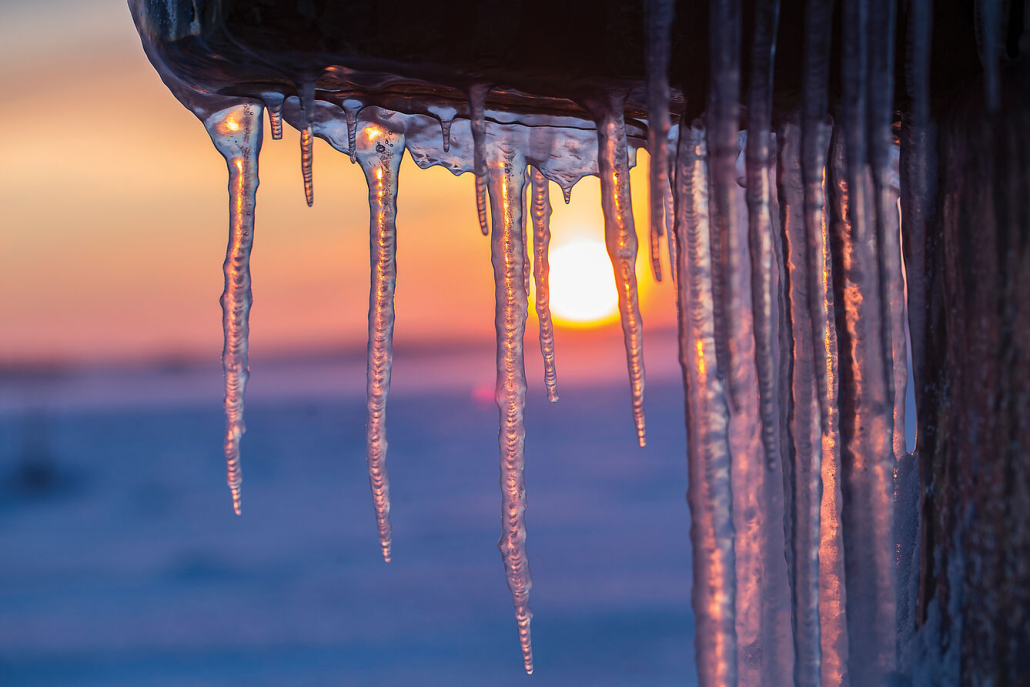
Winter can seem a daunting time to order a home inspection, but if done properly, it can reveal issues that are often overlooked during warmer months. Understanding how winter inspections differ, what to look for, and which local experts to trust can help you make informed decisions when buying or selling a home.
How Winter Home Inspections Differ
Winter home assessments are conducted when conditions are cold and when snow and ice may be present on the property. Inspectors often face limited access to exterior features, such as roofs and foundations, due to snow coverage. Winter can also present unique opportunities to detect drafty windows and doors, inefficient heating systems or poor insulation.
Draft Detection: Why It Matters and How It’s Done
Detecting drafts is a critical aspect of winter inspections. Cold air infiltration not only reduces comfort but also increases heating costs. During a winter walk-through, inspectors use infrared thermography (thermal imaging cameras) to spot temperature variations around windows, doors and attic hatches. Simple smoke pencils or incense sticks can also help trace subtle air leaks. These methods are more effective in winter when the temperature difference between indoors and outdoors is greatest, highlighting problem areas that might be missed in milder weather.
Roof Conditions Under Snow: What Can and Can’t Be Inspected
Heavy snow often hides roofing materials, making it difficult to visually assess shingle quality and any damage. While inspectors can still check for signs of roof leaks in the attic, such as water stains or ice dams near the eaves, some issues may remain concealed until the spring thaw. Discussing the home’s maintenance history and reviewing any available photos or past inspection reports can help bridge these gaps. Sellers should provide as much roof-related information as possible, while buyers should be aware of the limitations and consider a follow-up inspection once the snow melts.
Assessing Exterior Damage from Snow and Ice
Ontario’s harsh winter weather can be tough on a home’s exterior, especially as we are seeing more extreme episodes of freezing and thawing throughout the winter months. Ice accumulation on eavestroughs and gutters may cause ice dams, leading to water leaking behind fascia boards and into walls.
Inspectors look for icicles, uneven snow melt, and water stains as signs of potential trouble. Exterior walkways, decks and driveways should also be checked for heaving, cracking or surface deterioration caused by freezing and thawing cycles. While some damage may not be fully visible, an experienced inspector will note risk factors and recommend preventative measures.
Local Home Inspection Companies in Your Area
Choosing a reputable, local inspector ensures they are familiar with regional weather patterns and construction practices. Pillar to Post Home Inspectors offers comprehensive winter home inspection services, including assessments of insulation, heating systems, and protection against ice damming. AmeriSpec Inspection Services provides winter-focused inspections, checking for drafts, proper sealing and plumbing safety against freezing temperatures. HouseMaster’s certified inspectors specialize in preparing homes for winter, evaluating roofs, walkways, and the functionality of smoke and carbon monoxide detectors in the region. When hiring an inspector, always check for Ontario Association of Home Inspectors (OAHI) membership and ask about winter inspection experience.
Tips for Maximizing a Winter Inspection
- Clear snow from walkways, driveways and around the foundation to allow thorough access.
- Ensure your attic, basement and utility rooms are accessible for the inspector.
- Ask for thermal imaging or draft detection as part of the inspection service.
- Share any recent maintenance records, especially roof and HVAC system updates.
- Communicate openly with your inspector about your concerns and ask for recommendations regarding repairs that may be required before you sell.
- When buying a home in winter, review the inspection report with your realtor to ensure they conducted a thorough inspection.
Winter home inspections may present unique challenges, but understanding what to look for, preparing your property, and working with trusted local professionals can help buyers and sellers gain peace of mind, even as the snow flies.
By: Julie Achtermeier