
Exploring Decks and Stone Patios
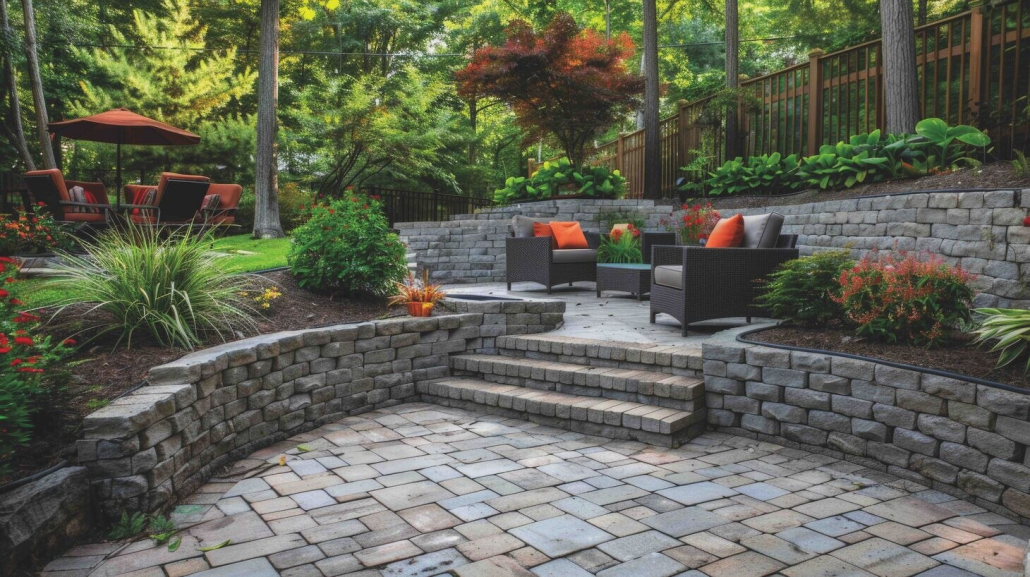
Outdoor living spaces have become a welcome addition for many homeowners, with decks and stone patios among the most popular choices. Whether you’re creating a sports watching corner, a relaxing retreat or a lively entertainment area, understanding the possibilities can help you create a space that fits your needs and budget.
Decks
Decks are versatile structures that can extend your living area outdoors, providing a comfortable place for dining, lounging or hosting gatherings. Let’s look at the current trends:
Wood Decks:
Traditional wood decks, using materials such as pressure-treated pine, cedar or even locally sourced hardwoods like oak, remain a favourite. Pressure-treated lumber is generally the most budget-friendly option and is widely available at local suppliers. Cedar, although more expensive, is naturally resistant to rot and insects, making it a sustainable and attractive choice. For those seeking eco-friendly solutions, look for certified sustainably harvested wood or reclaimed lumber, both of which support responsible forestry practices.
Composite Decks:
Composite decking, made from a blend of recycled plastics and wood fibres, offers durability and minimal maintenance. While the upfront cost is higher than wood, composites are designed to last longer with less upkeep. Many brands today feature recycled materials, helping reduce environmental impact. Colours and textures have improved significantly over the years, allowing homeowners to achieve a high-quality custom look.
PVC Decks:
Pure PVC decking is another low-maintenance option that’s resistant to moisture, mould and fading. Although pricier than wood or composite decking, PVC decks are highly durable and well-suited to our varied climate. Some manufacturers offer recycled PVC products, but it’s important to check for certifications and local sourcing to ensure responsible production.
When considering your deck, factor in the costs of installation, annual maintenance and longevity. Pressure-treated wood decks might need regular staining and repairs, while composite and PVC options generally require only occasional cleaning. For budget-conscious homeowners, wood remains accessible, but sustainable choices like composite or certified lumber are worth considering for their environmental benefits.
Stone Patios
Stone patios offer a classic, elegant look and can be tailored to suit a variety of outdoor settings. Stone patios require careful planning for the base and drainage, but their longevity and ease of cleaning make them a smart investment. Top choices for stone patios include:
Natural Stone:
Materials like limestone, granite and flagstone are known for their visual appeal and durability. Natural stone requires a larger up-front investment, but it’s long-lasting and can be reused or repurposed, supporting sustainability.
Concrete Pavers:
Concrete pavers are an affordable and versatile option, available in a wide range of shapes, colours and textures. Many manufacturers in Ontario use recycled materials in their pavers, and some offer permeable designs that help manage stormwater runoff, an important ecological consideration today. Maintenance is minimal, and repairs, if needed, are straightforward.
Porcelain Tiles:
Outdoor-rated porcelain tiles are increasingly popular for patios, offering a modern look and excellent durability. While they tend to be more expensive than concrete, their resistance to weather and staining makes them a practical option for homeowners who want a sleek, contemporary look. Some porcelain tiles contain recycled content for those looking for sustainable options.
“Emerging trends include square, modern designs to maximize space on smaller properties,” says Corey Wigle from Let’s Landscape Together in Burlington, Ontario. “Lighting is becoming a must-have as cost-effective and longer-lasting options become the norm. Larger paving material and earth tones are also very popular.”
We can all play a part
Pressure-treated wood, concrete pavers and local stone are generally easy to source and cost- effective. For sustainable landscaping, consider locally quarried stone or certified wood products, both of which support the regional economy and reduce environmental impact.
“We always try to work with hardy plant material and native species, whenever possible,” says Corey. “The stone material we buy is made in Canada and locally sourced.” When planning your project, weigh the initial investment against long-term maintenance and durability. Sustainable materials may cost more up front but offer lasting value and ecological benefits.
Consult with local suppliers and contractors to ensure your choices align with your budget, environmental consideration and the availability of materials in your community.
Local links:
Let’s Landscape, Burlington
letslandscape.ca
Mill Street Landscaping, Waterdown
millstlandscaping.ca
The Deck Store, Oakville
deckstore.ca
The Deck Yard, Dundas
deckyard.ca
Partridge Fine Landscapes, Oakville
partridgefinelandscapes.com
Ridge Rock Landscapes, Burlington
ridge-rock.ca
By Julie Achtermeier